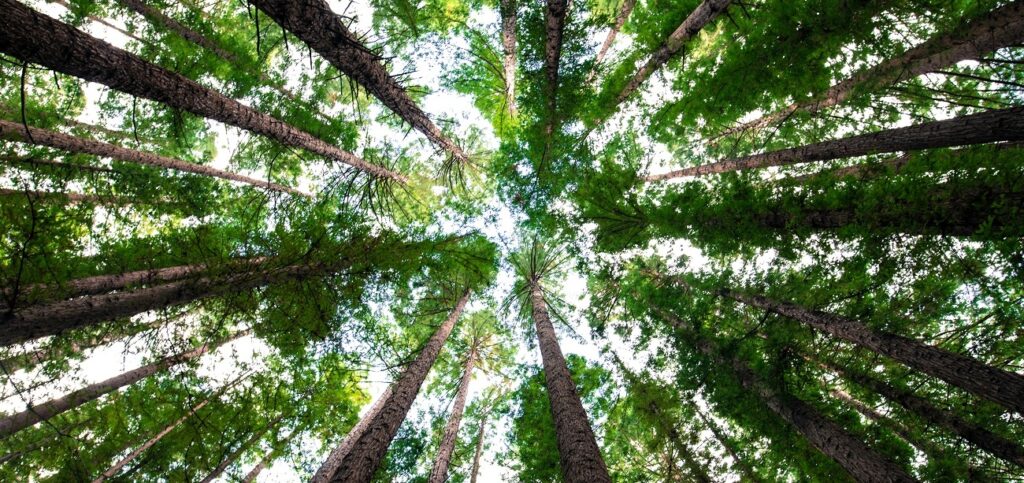
I work as a climbing arborist who has spent years pruning, dismantling, and assessing trees across coastal suburbs in Perth, with plenty of days spent around Fremantle yards, laneways, and older brick homes. I have worked from small courtyards where a ladder barely fits to wide blocks where a mature tree has shaped the whole garden for decades. Around Fremantle, I tend to look at trees with one eye on structure and the other on wind, salt, access, and the way people actually use their outdoor spaces.
What I Notice Before I Touch a Saw
The first thing I do on a Fremantle job is slow down and look from the street, then from the back fence, then from under the canopy. A tree can look fine from one side and show a split union or heavy lean from another angle. I have seen old peppermint trees with one limb doing 70 percent of the visual work in the garden, while the load was sitting over a tin roof that had already taken a beating in winter.
I pay close attention to soil, paving, and drainage because roots often tell the real story. Around older homes, I often find compacted ground from years of foot traffic, parked cars, or repeated renovations. One customer last spring had a tree that looked thirsty, yet the downpipe nearby was dumping water against one side of the root zone after every decent rain.
Access changes the whole job. A narrow Fremantle side path can turn a two-hour prune into a half-day of careful lowering, hand-carrying branches, and protecting painted walls. Small details matter here. I have carried cut sections through kitchens, around bikes, and past limestone garden edging because there was no clean way to bring machinery in.
Why Fremantle Trees Need Local Judgement
Coastal air can make trees behave differently from the same species planted further inland. I often see wind-shaped canopies where growth has pushed away from the prevailing weather, leaving one side thicker than the other. That uneven shape is not always a defect, but it does affect how I prune, especially if the canopy is close to a balcony, a solar array, or a neighbour’s roofline.
I also think about the age of the suburb itself. Many Fremantle properties have older structures, uneven paving, boundary walls, and garden layouts that were never designed for modern tree equipment. If a client wants another opinion before a major reduction or removal, I have no issue pointing them toward a local arborist Fremantle service so they can compare advice from someone who works in the same conditions. Tree work is practical work, and a second set of trained eyes can be useful when several thousand dollars or a much-loved tree is involved.
The trick is not to prune every tree into a neat shape just because it looks tidy from the patio. I have seen over-pruned canopies push out weak regrowth within 12 months, especially after a hard cut in the wrong season. A lighter, better-placed prune often lasts longer than taking off a huge amount in one visit.
Pruning Is Usually About Load, Not Looks
Most homeowners talk about shape first, but I usually think about load first. A branch over a driveway, cubby house, or old tiled roof deserves a different conversation than a branch growing over open lawn. I do care about how the tree looks afterward, but I care more about whether the branch attachments, weight distribution, and clearance make sense.
I once pruned a mature backyard tree where the owner wanted a full canopy lift to let more light onto a small deck. After walking around it twice, I suggested removing fewer lower limbs and thinning three specific sections instead. The deck still got more morning light, and the tree did not end up looking like a tall pole with a tuft on top.
A good pruning cut should have a reason. I might remove deadwood thicker than a wrist, reduce a limb that has outgrown the rest of the canopy, or clear a roof by a sensible margin. Four small decisions in the right places can do more for a tree than one dramatic cut made for instant effect.
Removal Is Sometimes the Kinder Decision
I like keeping trees when it is realistic. That said, I do not pretend every tree can be saved by pruning, cabling, or wishful thinking. If a tree has major decay at the base, repeated limb failure, or roots lifting structural paving near a tight boundary, removal can be the safer and more honest recommendation.
Fremantle sites can make removals awkward because many yards are enclosed, built up, or shared closely with neighbours. I have dismantled trees in pieces small enough for one ground worker to manage because there was no drop zone bigger than a dining table. On jobs like that, the climbing plan matters more than the size of the chainsaw.
I also talk through what comes after removal. A stump left high in a courtyard can become a trip hazard, while full grinding may not suit a site with old pipes or reticulation running close by. One client chose to leave a low stump as a seat beside a garden bed, and it worked because we planned the finish before the first cut.
How I Talk With Homeowners About Risk
Risk can be hard to discuss because people either worry too much or not enough. I try to be plain about what I can see and what I cannot see without further inspection. A hollow limb, fungal growth, or included bark union may raise concern, but I avoid making big claims from a quick glance over the fence.
Storm season tends to bring more urgent calls. After one windy weekend, I visited three homes where the damage had started long before the weather arrived. The storm only revealed old pruning wounds, weak attachments, or dead sections that had been sitting there for years.
I prefer to give homeowners choices rather than pressure them. One option may be deadwood removal and monitoring for 6 months, another might be a staged reduction, and another might be removal if the target below the tree is too valuable to ignore. That style of discussion keeps the work grounded in the actual site, not fear.
What Makes a Tree Job Go Smoothly
The best jobs usually start with clear access and a short conversation about priorities. I ask where pets are kept, which gate works, whether reticulation lines are shallow, and which plants the owner cares about most. Ten minutes of planning can save a lot of frustration once ropes, saws, and branches start moving.
I also like knowing what the client expects the clean-up to look like. Some people want every leaf gone, while others want mulch left in a pile for garden beds. On one Fremantle job, the owner asked me to leave straight limb sections around 1 metre long so they could use them for edging near a vegetable patch.
Neighbours matter too. In tight streets, I often suggest giving the next-door owner a heads-up if branches overhang the boundary or if parking will be affected. A calm note the day before can prevent the kind of awkward fence conversation nobody enjoys during a noisy chipper run.
I still enjoy Fremantle tree work because no two properties feel the same, even when the species are familiar. The job asks for patience, practical judgment, and a bit of respect for how long some of these trees have been part of a home. If I can leave a tree safer, cleaner, and still looking like it belongs there, I count that as a good day on the ropes.